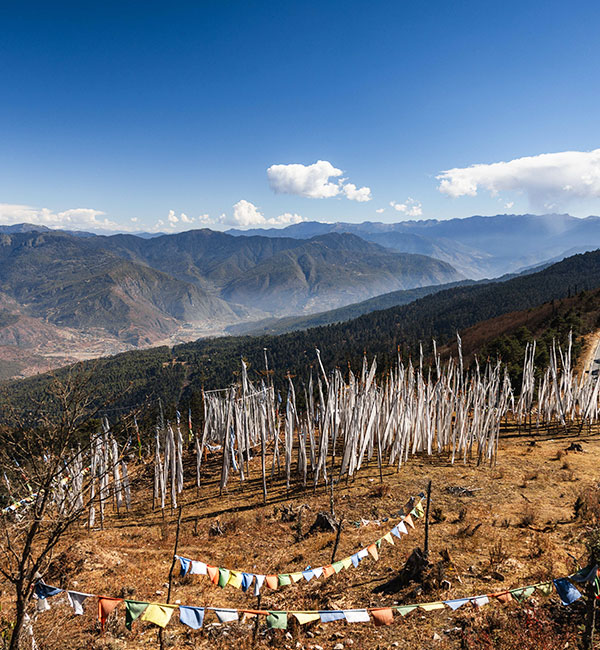

Nestled in the eastern Himalayas between India and China, Bhutan is a remarkable destination renowned for its pristine environment, rich traditions, and breathtaking mountain landscapes. Often referred to as the "Land of the Thunder Dragon," Bhutan has successfully preserved its cultural heritage and natural beauty while embracing sustainable development.
The country is characterized by lush forests, snow-capped peaks, ancient monasteries, and peaceful valleys that create an unforgettable travel experience. Thimphu, the capital city, serves as the cultural and administrative heart of the nation and is among the most visited destinations in Bhutan. With over 70% of its land covered by forests, Bhutan is globally recognized for its environmental conservation efforts and is celebrated as the world's first carbon-negative country.
Whether you are looking for spiritual enlightenment, cultural immersion, scenic beauty, or thrilling adventures, Bhutan offers an experience unlike any other destination in the world.
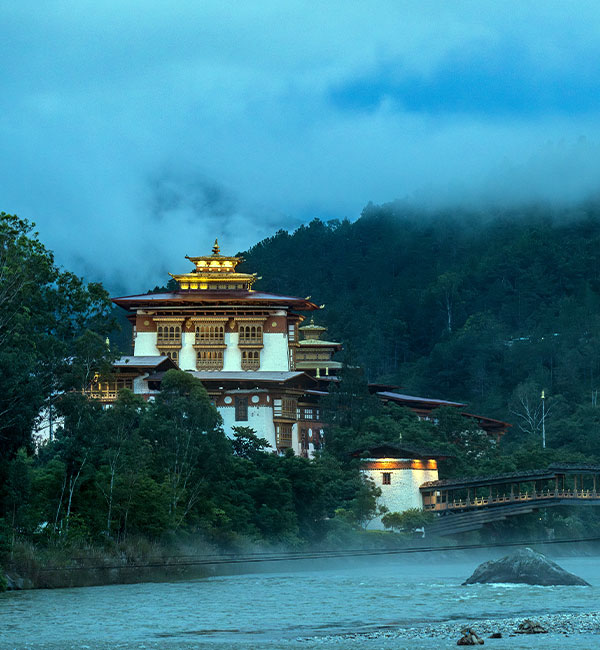
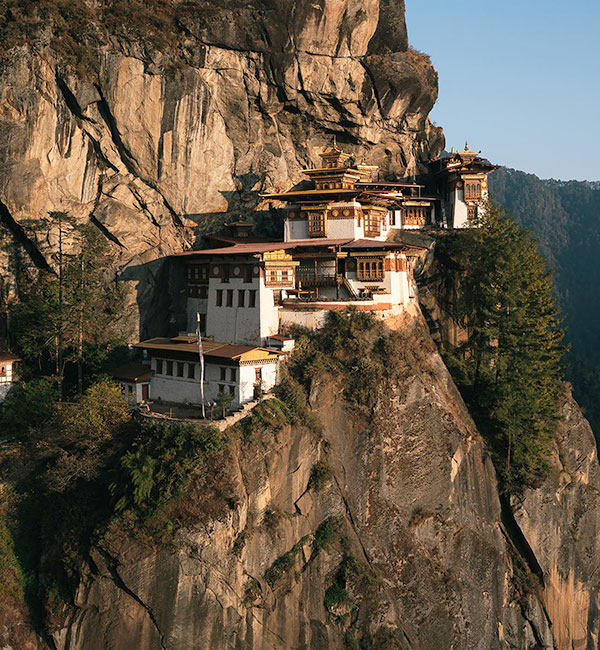
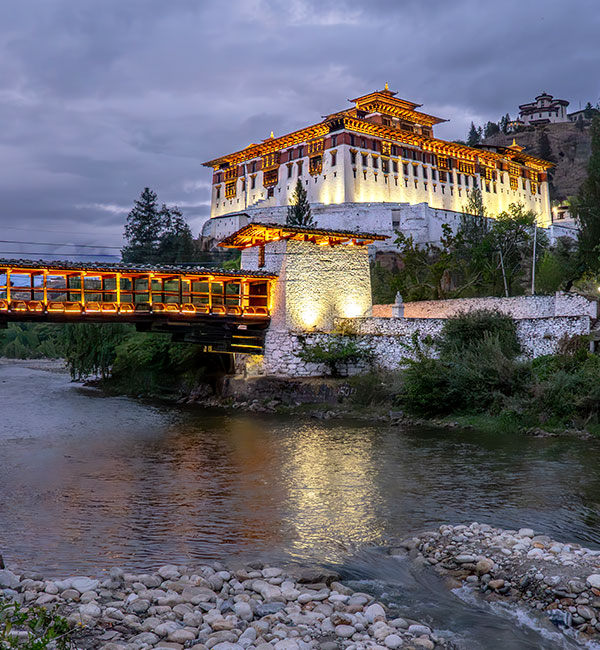
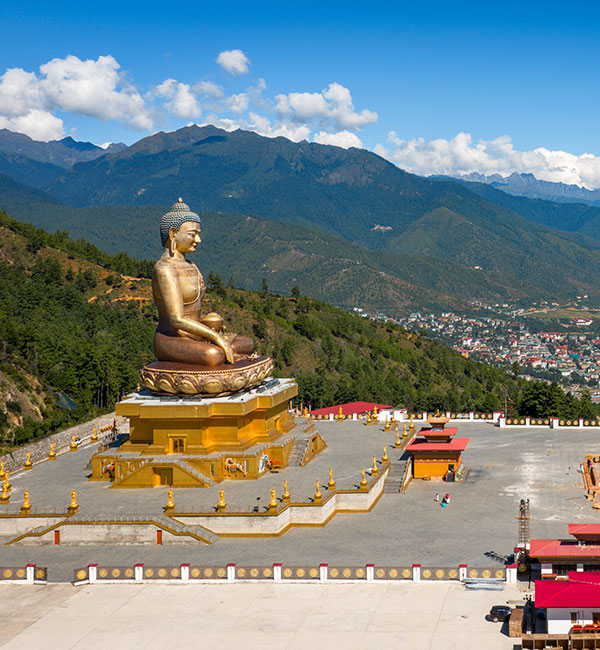
Bhutan's unique identity is deeply rooted in Vajrayana Buddhism, which influences every aspect of daily life, architecture, traditions, and celebrations. Magnificent dzongs, sacred monasteries, fluttering prayer flags, and religious ceremonies are integral parts of the Bhutanese landscape and culture.
The country's population primarily consists of the Ngalop, Sharchop, and Lhotshampa communities, each contributing to Bhutan's rich cultural diversity. Agriculture and livestock farming remain important occupations, while tourism continues to play a significant role in the national economy.
Bhutanese society values tradition, community, and cultural preservation. Traditional attire remains widely worn throughout the country, with men wearing the Gho and women wearing the Kira. Local handicrafts, textiles, paintings, and woodwork reflect generations of artistic excellence and are popular souvenirs among visitors.
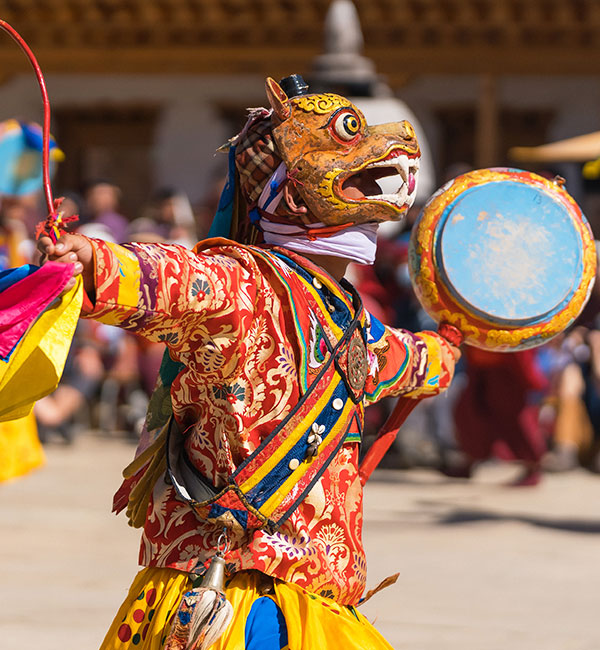
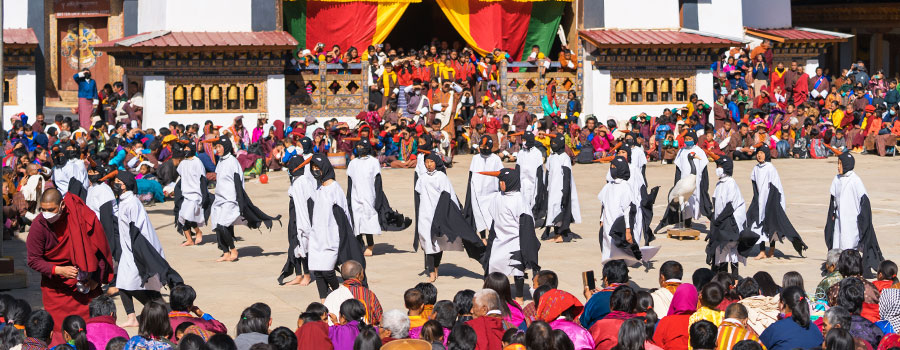
Festivals are among the most colorful and exciting events in Bhutan. These celebrations bring communities together through masked dances, religious rituals, music, and cultural performances. The renowned Tsechu festivals, held across different regions, attract both local devotees and international travelers seeking an authentic cultural experience.
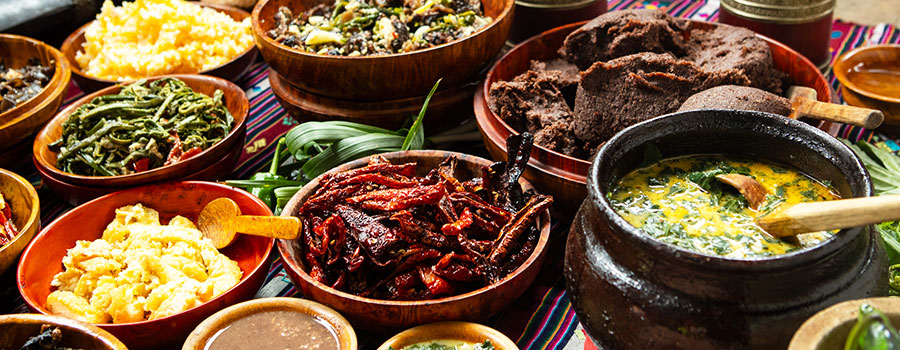
Bhutanese cuisine is an essential part of the country's cultural identity. Known for its bold flavors and generous use of chilies and cheese, Bhutanese food offers a distinctive culinary experience that reflects local traditions and lifestyles. Rice, vegetables, dairy products, and meat form the foundation of many meals, creating dishes that are hearty, flavourful, and satisfying. Visitors who enjoy exploring regional cuisines will find Bhutan's traditional dishes both unique and memorable.
Considered the national dish of Bhutan, Ema Datshi is a delicious combination of chili peppers and cheese cooked together to create a rich and flavourful meal. Different regions prepare the dish in their own style, often adding vegetables or meat for variation.
A popular variation of Ema Datshi, Shamu Datshi features mushrooms cooked with cheese and local seasonings. Rich and creamy in texture, it is commonly served with red rice and remains a favourite comfort food among locals.
Prepared using dried beef, Shakam Paa is a traditional Bhutanese delicacy cooked with chilies, radishes, and vegetables. The drying process gives the meat a distinctive flavour that has made this dish highly popular throughout the country.
Phaksha Paa is a flavourful pork dish made with tender slices of pork simmered alongside radishes and spicy chilies. Served with rice, it represents one of Bhutan's most beloved traditional meals.
Momo is a well-loved dumpling found throughout Bhutan and neighbouring Himalayan regions. Filled with meat or vegetables, these steamed dumplings are typically served with spicy sauces and are available in numerous regional variations.
Originating from eastern Bhutan, Hoentay is a traditional dumpling made from buckwheat or wheat flour and stuffed with leafy greens, cheese, garlic, and spices. Steamed or boiled, it is cherished for its wholesome flavor and cultural significance.
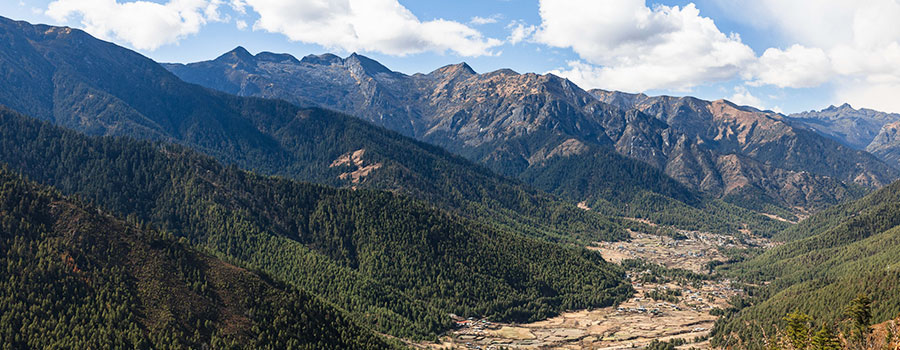
Bhutan's climate varies significantly depending on altitude and geography. The southern regions experience a humid subtropical climate with warm temperatures, while the central valley's enjoy pleasant summers and cool winters. In contrast, the northern Himalayan areas feature alpine and tundra conditions, with snow-covered peaks throughout much of the year.
The country receives substantial rainfall during the monsoon season, contributing to its lush vegetation and abundant biodiversity. Bhutan's varied ecosystems support numerous rare and endangered species, making it a paradise for nature lovers and wildlife enthusiasts.
International visitors generally require a visa to enter Bhutan. Indian nationals enjoy simplified entry procedures and can obtain an entry permit upon arrival at designated border checkpoints, subject to current regulations.
Travelers entering Bhutan must carry valid travel documents and comply with immigration requirements at official entry points, including Phuentsholing, Gelephu, and Samdrup Jongkhar. Visitors are also required to pay the Sustainable Development Fee (SDF), which contributes to the country's environmental conservation, infrastructure development, and sustainable tourism initiatives.
For the latest visa requirements and travel regulations, visitors are advised to consult authorized Bhutanese tour operators or relevant government authorities before planning their journey.
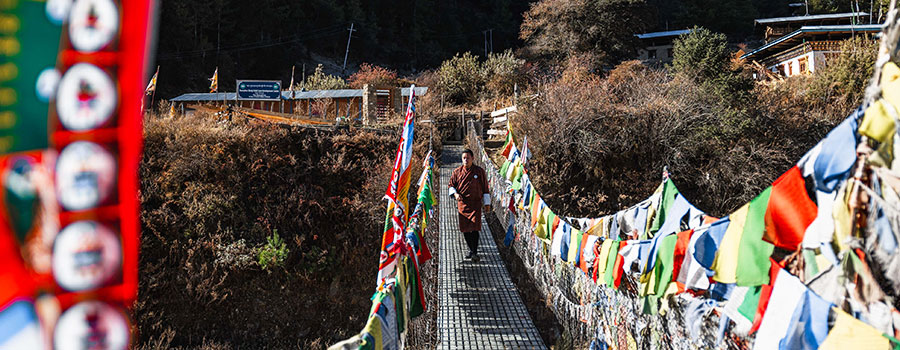
Bhutan offers a wide range of activities that combine culture, nature, spirituality, and adventure. From exploring ancient fortresses and monasteries to trekking through pristine mountain trails, every journey in Bhutan presents opportunities for discovery and inspiration.
Some of the most rewarding experiences include:
Whether you seek cultural exploration, spiritual renewal, or outdoor adventure, Bhutan promises an enriching and unforgettable travel experience.