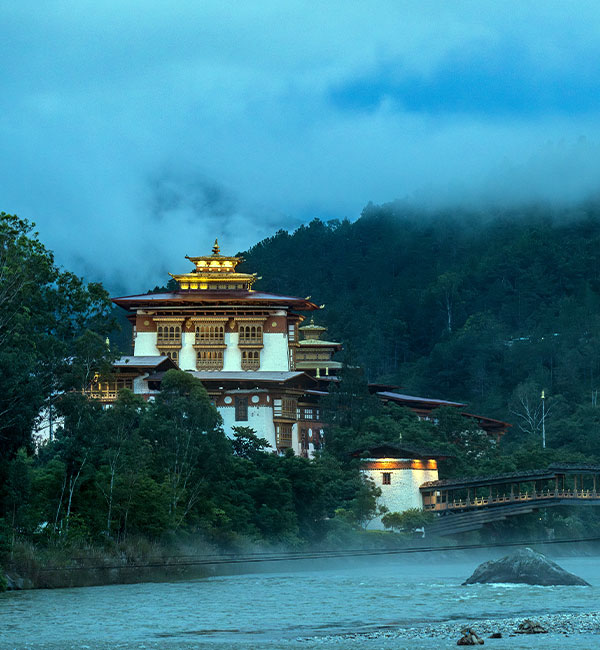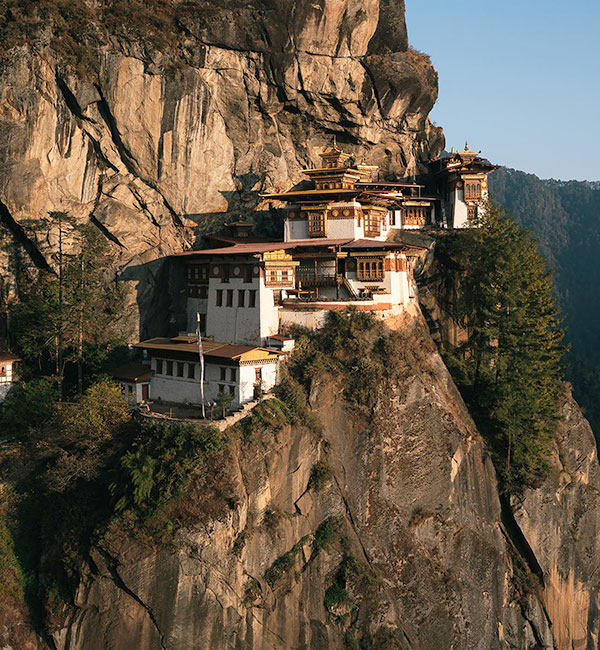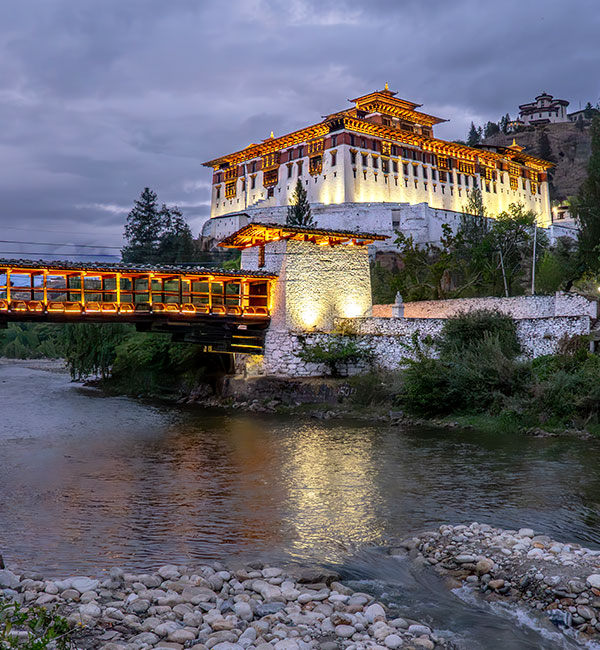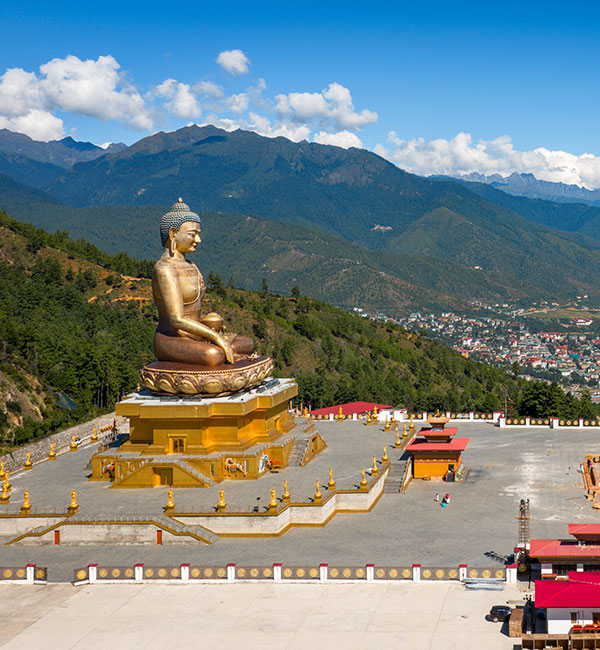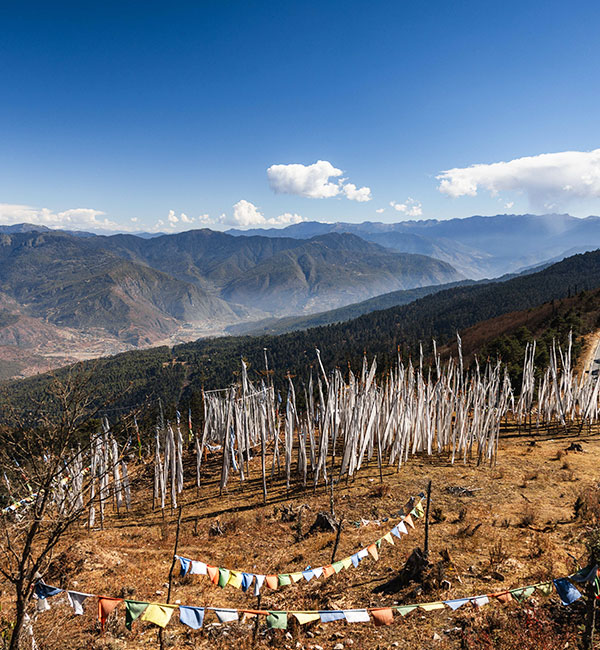

Bhutan's history is deeply intertwined with Buddhism and the vision of Zhabdrung Ngawang Namgyal, who unified the kingdom during the 17th century. The country later embraced a constitutional monarchy in 1907, establishing a strong foundation of stability, cultural preservation, and national development that continues to shape Bhutan today.
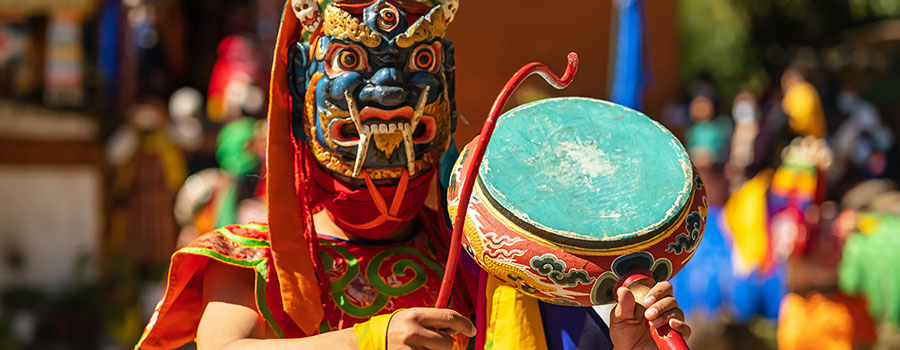
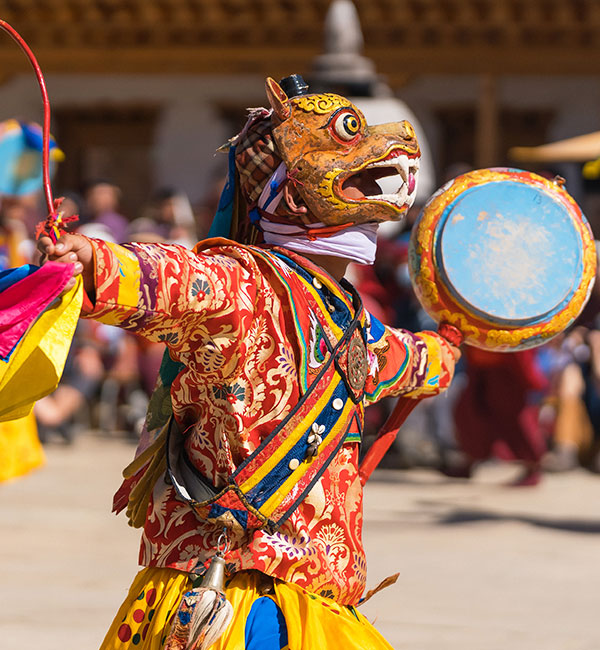
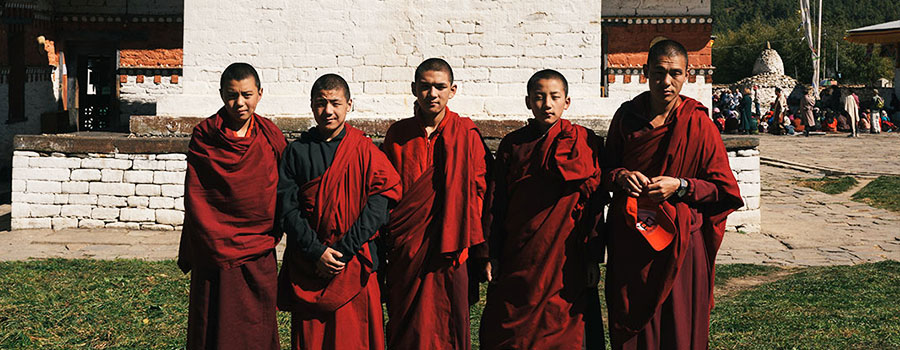
Among Bhutan's most celebrated traditions are the vibrant Tshechu festivals, held annually across different regions of the country. These sacred events feature elaborate mask dances, religious ceremonies, traditional music, and spiritual performances conducted by monks and local communities. Attending a Tshechu offers visitors a unique opportunity to witness Bhutan's living heritage, experience centuries-old traditions, and gain deeper insight into the country's spiritual identity.
Bhutan follows a unique tourism philosophy known as "High Value, Low Volume Tourism," aimed at preserving its environment, culture, and way of life while providing meaningful travel experiences.
All eligible international visitors are required to pay a Sustainable Development Fee (SDF), which contributes directly to Bhutan's free healthcare system, education programs, infrastructure development, and environmental conservation initiatives. Indian travellers are subject to a concessional SDF rate as per current government regulations, while most international visitors pay the standard fee established by the Royal Government of Bhutan.
Travelers must obtain the necessary travel permits or visas before entering Bhutan. Visitors are advised to arrange their travel through authorized tour operators such as Truly GNH Travels, who can assist with permits, documentation, and travel formalities to ensure a smooth and hassle-free journey.
Respecting local customs and traditions is an important part of experiencing Bhutan authentically. Visitors are encouraged to observe the following guidelines while visiting religious and cultural sites:
Bhutan has steadily modernized its communication infrastructure while preserving its traditional values. Mobile networks and internet services are available in most towns and tourist destinations, providing reliable connectivity throughout much of the country.
The official currency is the Bhutanese Ngultrum (BTN), which is pegged to the Indian Rupee. Indian currency is widely accepted across most regions of Bhutan, making travel convenient for Indian visitors. While hotels and larger establishments may accept digital payments and cards, carrying sufficient cash is recommended when traveling to rural areas or making small purchases.
Visitors can easily obtain local SIM cards from service providers upon arrival, allowing access to affordable mobile data and communication services during their stay.
Bhutan's diverse geography results in varying weather conditions depending on altitude and season. Packing smartly can significantly enhance your travel experience.
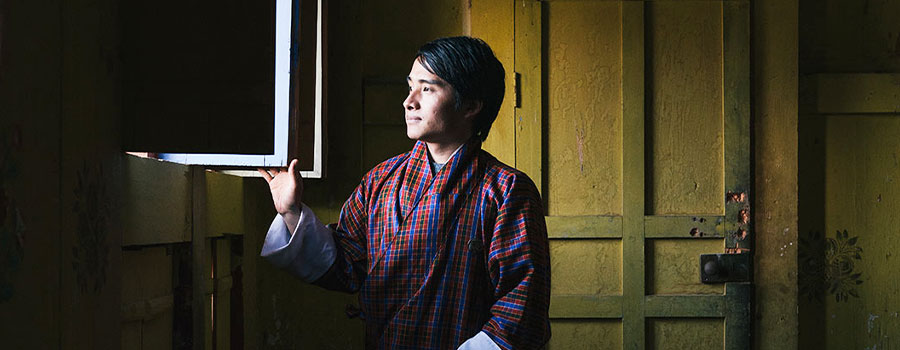
One of Bhutan's greatest treasures is the warmth and kindness of its people. Hospitality is deeply rooted in Bhutanese culture, ensuring visitors feel welcomed throughout their journey.
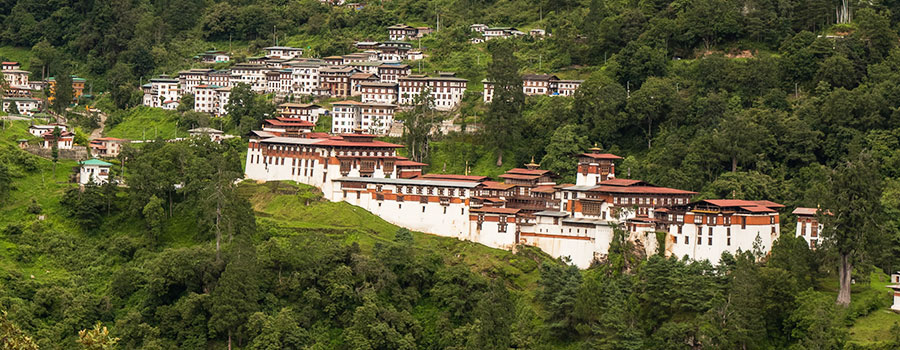
Accommodation options range from traditional farm stays and charming boutique lodges to luxurious resorts offering world-class amenities. Many properties seamlessly blend authentic Bhutanese architecture with modern comforts, providing guests with a unique and memorable stay.
The country's culinary traditions further enhance the travel experience, with freshly prepared local dishes, warm service, and a peaceful atmosphere creating the perfect setting to relax after a day of exploration.
Traveling to Bhutan is easier than ever, with multiple entry options available for international visitors.
The most convenient way to reach Bhutan is by flying into Paro International Airport, the country's only international airport. Regular flights connect Bhutan with major cities such as Delhi, Kolkata, Guwahati, Bagdogra, Kathmandu, Bangkok, Singapore, and Dhaka. The scenic flight over the Himalayas is considered one of the most spectacular aviation experiences in the world.
Visitors can also enter Bhutan through designated land border crossings:
Travelers entering by road must complete the required permit and immigration formalities at the respective checkpoints.
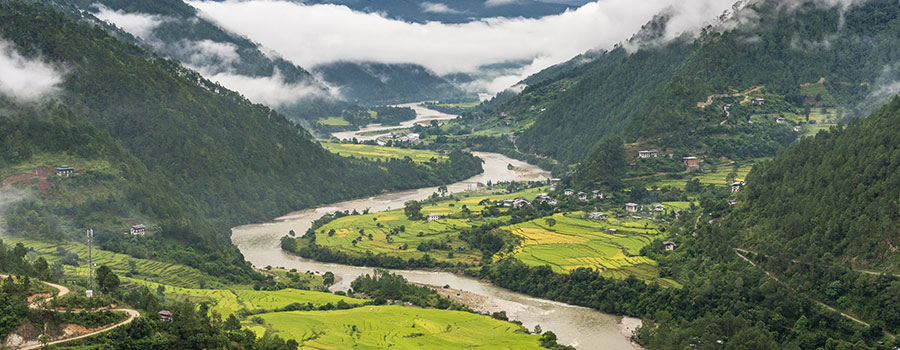
Bhutan can be visited throughout the year, with each season offering unique experiences.
Spring is considered one of the best seasons to visit Bhutan. Valleys come alive with blooming rhododendrons, pleasant temperatures, and clear mountain views. This period is also ideal for trekking, sightseeing, and photography.
Autumn offers crisp weather, blue skies, and excellent visibility of the Himalayan peaks. Many of Bhutan's famous festivals take place during this season, making it a favourite time for cultural travellers.
The summer months bring monsoon rains, resulting in lush green landscapes and fewer tourists. This season is ideal for travellers seeking quieter experiences and vibrant natural scenery.
Winter offers clear skies and peaceful surroundings, especially in western and central Bhutan. Visitors can enjoy cultural sightseeing, birdwatching, and stunning snow-capped mountain views while avoiding peak tourist crowds.
Regardless of the season, Bhutan offers unforgettable experiences that combine natural beauty, cultural richness, and genuine hospitality, making every journey truly special.